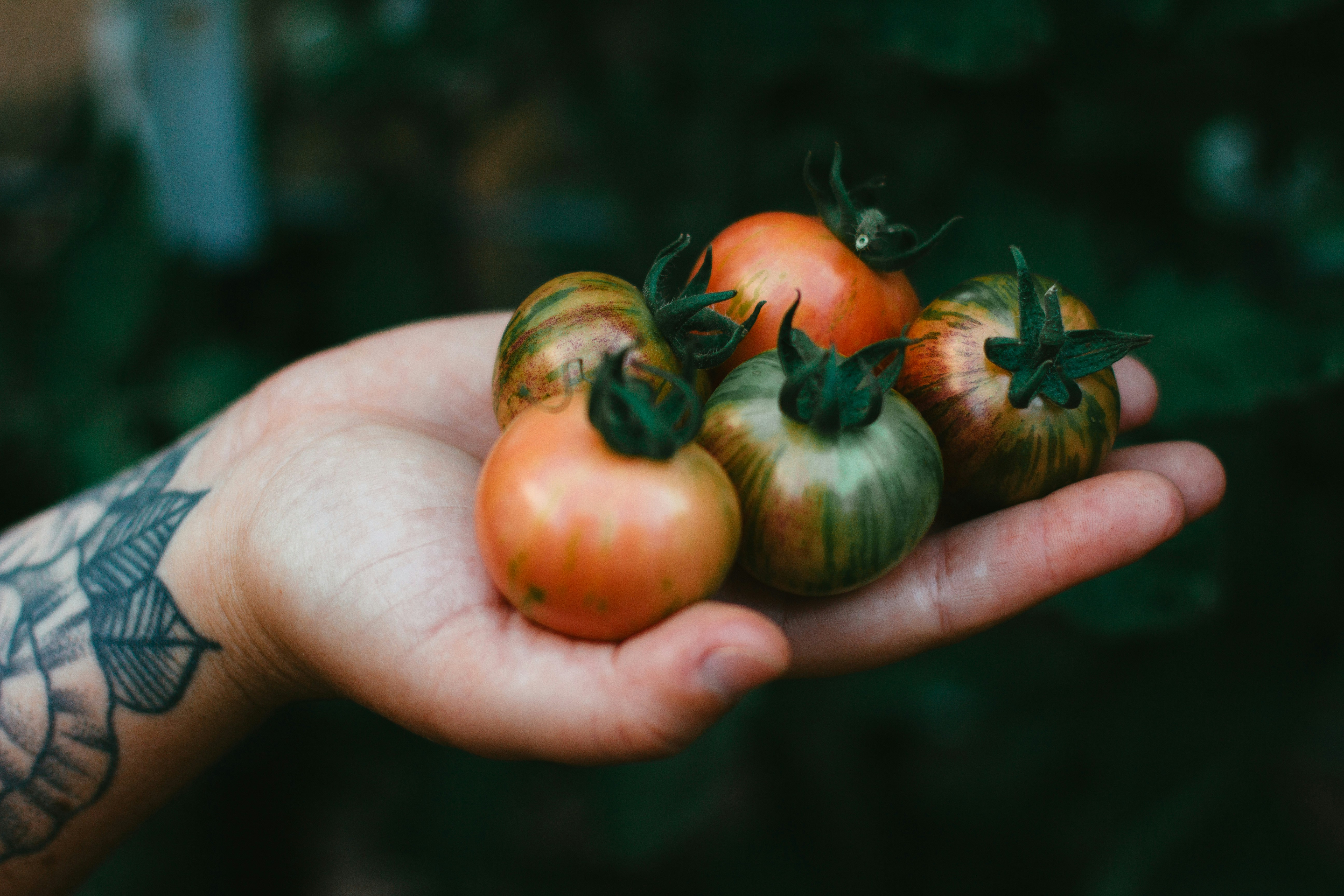
META: Preserve your garden’s genetics! Our guide to successful heirloom tomato seed saving techniques.
The Roots of Resilience: Your Guide to Heirloom Tomato Seed Saving
Hello fellow stewards of the soil! If there is one act that defines the deep connection between us and our gardens, it’s the act of saving seeds. It’s not just about keeping a plant alive for next year; it’s about keeping your garden’s unique story alive.
When we talk about heirloom tomatoes, we aren’t just discussing beautiful colors and deep, complex flavors—we’re talking about genetic libraries. These varieties have traveled across continents and generations, each carrying the memory of a different climate, a different season, and a different community.
In this guide, we’re walking you through the meticulous, time-honored practice of seed saving for your prize-winning varieties. By the time you finish reading, you’ll feel empowered to preserve your garden’s biodiversity, ensuring that the unique taste of your beloved heirlooms survives for generations to come.
🍅 Why Seed Saving is a Sacred Act of Stewardship
Why should saving tomato seeds feel less like a chore and more like an honor? Because it truly is.
Historically, before massive commercial seed houses, human survival—and the resilience of our food supply—depended entirely on the local farmer’s ability to save the best seeds from a successful harvest. This instinct hasn’t changed.
When you save your Brandywine or Cherokee Purple seeds, you are participating in biodiversity stewardship. You are not just saving a packet of seeds; you are saving a piece of local agricultural history. You are making your garden resilient against changing climates and unforeseen blights.
A personal observation: I remember a friend who lost her small plot to excessive rain damage. She was heartbroken, but because she had diligently saved seeds from her unique, regional plantings, she was able to restart her garden the following spring, ensuring her family’s distinctive tomatoes returned to the table. That’s the power of focused preservation.
🪴 The Step-by-Step Guide to Successful Preservation
Mastering seed saving requires patience and a little manual labor, but the payoff—a bounty of seeds for next season—is well worth the effort.
Step 1: Pre-Season Planning and Pollination Control (The Preparation)
Before you even think about harvesting, we must manage the genetics. This is the most critical, yet often overlooked, step.
- Plant Pure Lines Only: Only plant known, open-pollinated heirloom types. If you plant an F1 hybrid (a commercially bred cross), the resulting seeds will be unpredictable mixtures, and you risk diluting your pure genetics.
- Isolate Your Lines: If you are saving seeds from three distinct varieties (e.g., ‘Pine Ball,’ ‘Brandywine,’ and ‘Black Krim’), you must keep them physically isolated. This prevents cross-contamination from stray pollen, which is the number one destroyer of genetic purity.
- The Manual Hand: If you want absolute certainty, consider manually pollinating your flowers yourself, ensuring that only pollen from the desired variety reaches the ovary.
Step 2: Harvesting the Seeds (The Ripeness Check)
Don’t rush this stage! The viability of your seeds hinges on the ripeness of the fruit.
- Wait for Full Maturity: Harvest seeds only when the tomatoes have completely matured and the skin begins to shrivel slightly. They should be dark, dense, and feel almost papery to the touch.
- The Drying Process: Once harvested, hang the tomatoes in a dry, dark spot for 2–3 weeks. This initial, slow drying process is crucial; it hardens the seed coat and allows the seeds to cure properly, maximizing their storage longevity.
Step 3: Cleaning, Curing, and Storing (The Preservation)
The final preparation is where we ensure the seeds can wait for years to come.
- Gentle Cleaning: Gently rinse the cured seeds under running water and sort them into manageable batches.
- The Screen Dry: Spread the seeds onto a clean, dry screen and allow them to air dry completely for several more days. They must be brittle and bone-dry to prevent mold later.
- Labeling is Law: Take time to document everything! On your label, record the specific varietal name, the precise growing location (this notes your microclimate), and the year.
- Optimal Storage: Store your precious seeds in small, labeled envelopes. Place these envelopes inside a sealed, breathable container (like a glass jar) along with a packet of silica gel. The goal is a consistently cool, dry, and dark environment.
⚠️ Pitfalls to Avoid (Keeping Your Collection Healthy)
- Mixing It Up: Never assume you have the same variety twice! Always verify and label everything. Mixing seeds dilutes the lineage and results in unpredictable offspring.
- The Damp Dilemma: Never store seeds in overly humid conditions. Mold is their mortal enemy.
- Ignoring the Whole Plant: Remember to save seeds from the healthy, productive branches. These branches are your current genetic library!
The Takeaway: Seed saving is the original form of sustainable gardening. It connects us directly to the farmers and gardeners who sustained our culture before we knew what “open-pollinated” meant.
Next season, as you gather your fragrant, mature tomatoes, remember the weight and wonder of the seeds within. Don’t just harvest a meal; preserve a legacy.
Action Item: Pick a corner of your garden this month and identify three heirloom varieties you would be heartbroken to lose. Start planning your isolation and documentation efforts today!
INTERNAL: Need help choosing the perfect container for your seed stash? Check out our guide to cool, dry storage. INTERNAL: Want to know which tomatoes are best suited for seed saving? Browse our heirloom variety guide.